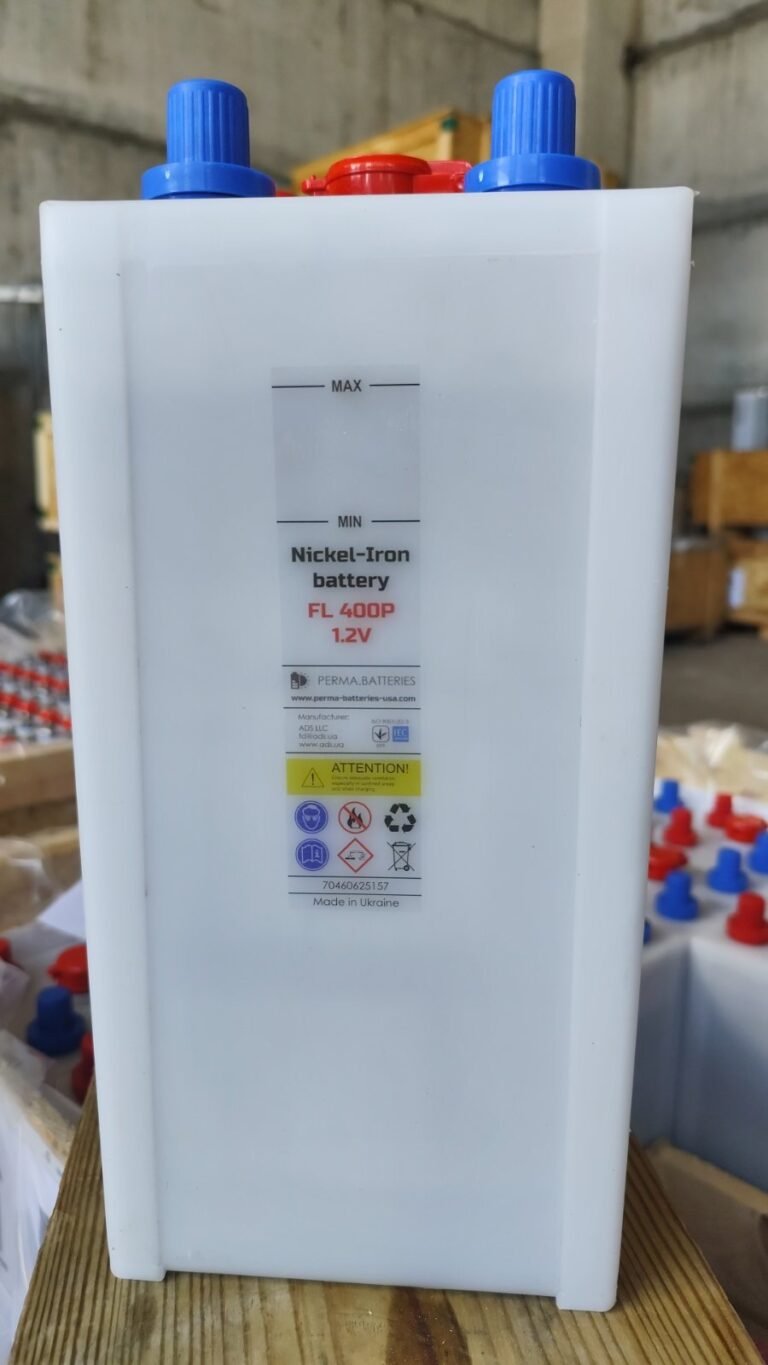
In the modern marketplace for off-grid energy storage, the loudest voice often belongs to lithium-ion technology. It is marketed as the sleek, modern solution to all our power problems, boasting high energy density and zero maintenance. However, for the discerning homeowner who looks past the glossy brochures, the Nickel-Iron Battery presents a compelling case for being the superior choice for stationary storage. While lithium is excellent for cell phones and electric cars where weight is critical, your house does not need to be lightweight; it needs to be safe and durable.
The fundamental difference lies in the design philosophy: lithium cells are built for high performance over a short life, while alkaline cells are built for moderate performance over an indefinite life. When you compare the two chemistries side by side, the cracks in the lithium narrative begin to show, particularly regarding safety and long-term recyclability. The Edison Battery stands as the heavy-duty alternative that prioritizes decades of resilience over the fleeting convenience of high energy density.
The Lifespan of the Edison Battery vs Lithium
The most significant advantage of alkaline chemistry is its sheer longevity compared to the disposable nature of lithium packs. A high-quality lithium iron phosphate (LiFePO4) battery might offer 10 years of service before the internal electronics fail or the chemical capacity degrades significantly. In contrast, an alkaline bank can easily function for 30 to 50 years, making it a permanent fixture of the home rather than a consumable appliance that needs frequent replacement.
Safety of the Nickel-Iron Battery
Safety is where the comparison becomes stark, as lithium batteries carry a risk of thermal runaway that simply does not exist with alkaline technology. If a control board fails in a lithium battery, it can catch fire with an intensity that is difficult to extinguish, posing a real threat to your home. The Nickel-Iron Battery uses a non-flammable, water-based electrolyte, ensuring that even under the most catastrophic failure conditions, there is zero risk of your battery bank burning down your house.
Recycling the Edison Battery
At the end of their service life, lithium batteries present a massive environmental headache, as they are difficult and expensive to recycle due to their complex mix of chemicals and glues. Alkaline batteries are the opposite; they are composed of simple steel, nickel, and iron, materials that every scrap yard in the world can process. This makes the Edison Battery a truly circular product, whereas lithium often ends up as hazardous waste, contradicting the green goals of solar energy.
Cost Analysis of the Nickel-Iron Battery
While the upfront sticker price of a lithium system might seem attractive, the hidden costs of ownership eventually catch up with the user. Lithium batteries are unrepairable; if one cell dies or the BMS fries, the whole unit often has to be scrapped and replaced at full cost. The Nickel-Iron Battery allows for individual cell replacement and electrolyte refreshment, meaning you spend pennies on maintenance rather than thousands on replacement, resulting in a much lower cost per kilowatt-hour over 30 years.
Complexity of the Edison Battery
Simplicity is the ultimate sophistication, and alkaline batteries are refreshingly simple devices with no circuit boards or software to glitch. Lithium batteries are essentially computers that store energy, requiring firmware updates and complex communication protocols to work with inverters. The Edison Battery is an analog device in a digital world, working reliably without the need for internet connections, software patches, or technical support hotlines to keep the lights on.
Temperature and the Nickel-Iron Battery
Lithium batteries are notoriously sensitive to temperature, refusing to charge if it hits freezing and degrading rapidly if it gets too hot. This forces owners to install expensive heating and cooling systems just to keep their batteries comfortable. The Nickel-Iron Battery is indifferent to these extremes, charging happily in sub-zero winters and enduring scorching summers without complaint, saving you the energy and complexity of climate control for your utility room.
Why Choose the Edison Battery?
These points summarize why alkaline chemistry wins the long game.
- Safety: Non-flammable electrolyte eliminates fire risks completely.
- Lifespan: Lasts 3-4 times longer than the best lithium options.
- Repair: User-serviceable design versus disposable sealed lithium bricks.
- Temperature: No need for AC or heaters to keep the battery alive.
- Recycle: 100% recyclable steel versus toxic lithium waste.
- Value: Lower total cost of ownership over a 30-year period.
- Durability: Physically stronger case resists damage better than plastic.
- Simplicity: No BMS to fail and shut down the entire system.
- Legacy: Proven track record since the 1900s versus new tech.
Conclusion on the Lithium vs Nickel-Iron Battery
The choice between these two technologies comes down to your time horizon and your risk tolerance. If you want a temporary solution and don’t mind the fire risk, lithium is available and lightweight. However, if you are building a forever home and demand a power system that is safe, sustainable, and permanent, there is only one valid option.
Choosing the Edison Battery is a rejection of the disposable culture that permeates the modern world. It is a commitment to safety, durability, and environmental responsibility that pays dividends for decades. In the battle of battery chemistries, the heavy steel tank wins over the fragile plastic box every single time.